

We Get an Extra Hour of Sleep This Weekend! Here’s When to Set Your Clocks Back
Good news for anyone who loves sleep. We’re getting an extra hour in bed this weekend as daylight saving time comes to an end.
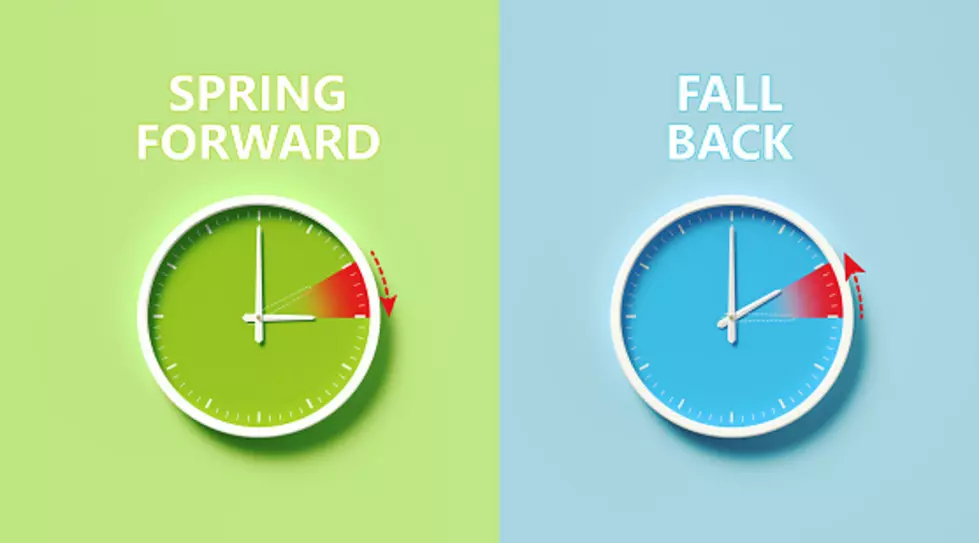
On Sunday, November 1, clocks across Iowa and Illinois will fall back one hour. At 2 a.m., the time will jump back to 1 a.m., giving everyone an extra 60 minutes before starting the day.
Don’t Forget to Change Your Clocks
Most smartphones, computers, and other internet-connected devices should automatically update their time. However, you’ll want to double-check any clocks that don’t update on their own.
Take a few minutes to adjust the clocks on your microwave, oven, car dashboard, and any traditional alarm clocks before heading to bed Saturday night. (Aka Halloween Night)
When Do We Spring Forward Again?
Daylight saving time will return on Sunday, March 14, 2027, when clocks move forward one hour, and we lose that extra hour of sleep.
Until then, enjoy the bonus hour! Whether you spend it sleeping in, sipping your morning coffee, or getting a head start on your Sunday plans, make the most of it.
Why Do We Change Our Clocks Anyway?
So, why do we change our clocks twice a year? The idea behind daylight saving time is to make better use of daylight throughout the seasons. By moving clocks forward in the spring, we get more daylight in the evening. When we move them back in the fall, we get more daylight in the morning. The practice became popular as a way to make better use of daylight and potentially save energy, although the amount of energy saved today is debated. Not everyone loves changing their clocks, and there have been ongoing discussions about whether the twice-a-year time change should end.
5 Tips To Help You Adjust To Time Change
Gallery Credit: tsm/Timmy!
5 Negative Health Effects Of Daylight Saving Time
Gallery Credit: Buehler
More From US 104.9